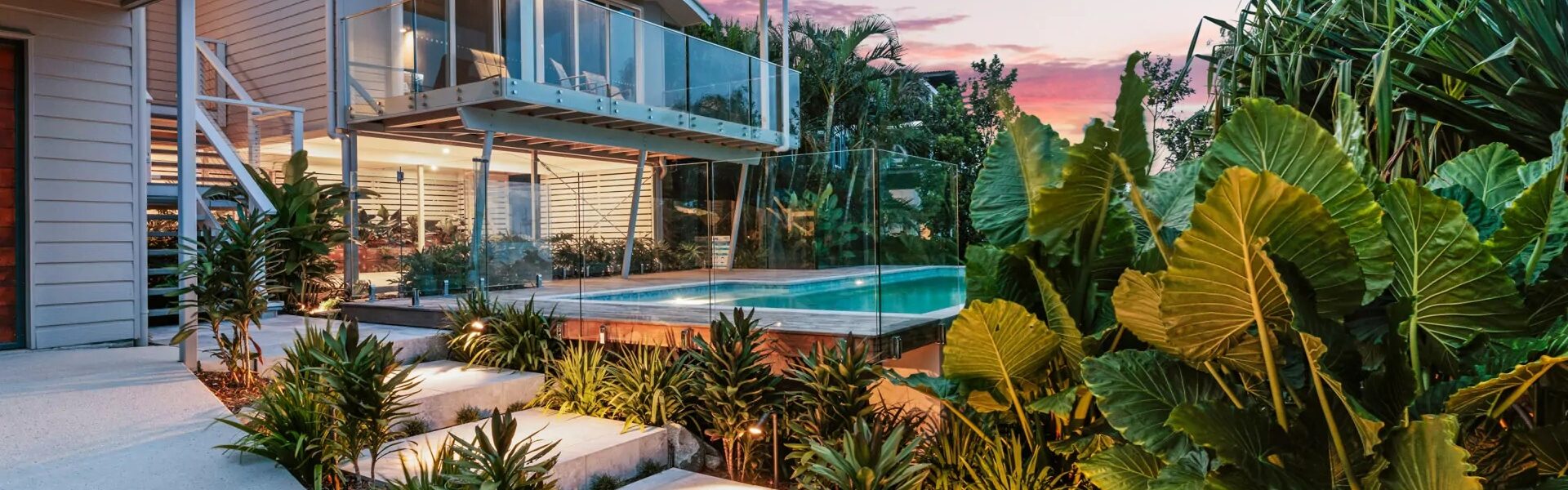

Imagine stepping into your backyard and being transported to a tranquil oasis. A space where lush greenery meets thoughtful design, creating a harmonious blend of nature and lifestyle. This is the power of inspired landscape design byron bay, transforming your property into a sanctuary.
Whether you’re dreaming of a vibrant entertaining area, a peaceful retreat, or a sustainable garden that thrives year-round, the right landscape design can significantly enhance your home’s appeal and value. But where do you begin? Let’s delve into the key elements of creating breathtaking outdoor spaces in Byron Bay.
Understanding the byron bay landscape
Byron Bay boasts a unique climate and environment, demanding a considered approach to landscape design. From the coastal breezes to the rich soil, understanding these nuances is crucial for creating a garden that flourishes.
Embracing the coastal climate
Coastal gardens face specific challenges, including salt spray, strong winds, and sandy soil. Choosing salt-tolerant plants that can withstand these conditions is essential. Consider native species that are naturally adapted to the Byron Bay coastline; they’ll require less maintenance and thrive in the local environment.
Creating windbreaks using strategically placed shrubs or trees can also protect more delicate plants from damage. Think about the prevailing winds and position your windbreaks accordingly.
Working with the local soil
Byron Bay’s soil can vary from sandy to clay-rich, so it’s important to understand your soil type before planting. A soil test can provide valuable information about its pH level, nutrient content, and drainage capabilities. Amend the soil as needed with compost, organic matter, or other soil conditioners to create a healthy growing environment.
Improving drainage is particularly important in clay-rich soils, as waterlogging can lead to root rot. Consider raised garden beds or incorporating drainage systems to prevent this issue.
Considering water conservation
Water is a precious resource, and designing a water-wise garden is crucial for sustainability. Choose drought-tolerant plants that require minimal watering once established. Implementing a rainwater harvesting system can also provide a valuable source of water for your garden.
Mulching around plants helps to retain moisture in the soil, reducing the need for frequent watering. Drip irrigation systems deliver water directly to the roots of plants, minimising water waste.
Essential elements of landscape design
Creating a stunning landscape involves more than just planting a few flowers. It’s about carefully considering the layout, materials, and features to create a cohesive and functional outdoor space.
Creating a functional layout
The layout of your garden should be both aesthetically pleasing and functional. Consider how you want to use the space and design accordingly. Do you need a large entertaining area, a quiet reading nook, or a play area for children?
Think about the flow of traffic through the garden and create pathways that are easy to navigate. Use different materials, such as pavers, gravel, or stepping stones, to define different areas and add visual interest.
Selecting the right materials
The materials you choose for your landscape design can significantly impact its overall look and feel. Consider using natural materials, such as timber, stone, and gravel, to create a warm and inviting atmosphere. Reclaimed materials can add character and reduce your environmental impact.
Choose materials that are durable and weather-resistant, especially in a coastal environment. Consider the colour and texture of the materials and how they complement the surrounding landscape.
Incorporating key features
Adding key features, such as water features, fire pits, or outdoor kitchens, can transform your garden into a true outdoor living space. A water feature can add a sense of tranquility and attract wildlife, while a fire pit provides a focal point for gathering and entertaining.
An outdoor kitchen allows you to cook and dine al fresco, making the most of Byron Bay’s beautiful weather. Consider adding comfortable seating, lighting, and shade structures to create a welcoming and functional space.
Plant selection for byron bay gardens
Choosing the right plants is crucial for creating a thriving and beautiful garden. Opt for plants that are well-suited to the local climate and soil conditions. Native plants are an excellent choice, as they are naturally adapted to the environment and require minimal maintenance.
Native plants of byron bay
Byron Bay is home to a diverse range of native plants that are perfect for creating a sustainable and low-maintenance garden. Some popular choices include:
- Coastal banksia (Banksia integrifolia)
- Lilly pilly (Syzygium smithii)
- Coastal rosemary (Westringia fruticosa)
- Grevillea (Grevillea spp.)
- Kangaroo paw (Anigozanthos flavidus)
These plants are all drought-tolerant, salt-tolerant, and attract native birds and insects to your garden.
Exotic plants that thrive
While native plants are an excellent choice, there are also many exotic plants that can thrive in Byron Bay’s climate. Some popular options include:
- Frangipani (Plumeria spp.)
- Hibiscus (Hibiscus spp.)
- Bougainvillea (Bougainvillea spp.)
- Bird of paradise (Strelitzia reginae)
- Ginger (Zingiber spp.)
These plants add a touch of tropical flair to your garden and can create a vibrant and colourful display.
Creating a layered garden
To create a visually appealing garden, consider layering plants of different heights and textures. Plant taller trees and shrubs at the back of the garden, followed by medium-sized plants, and then groundcovers and flowering plants at the front.
This creates depth and dimension and allows you to showcase a variety of plants. Use different foliage colours and textures to add visual interest and create a dynamic landscape.
Maintaining your byron bay landscape
Once your landscape is designed and planted, it’s important to maintain it properly to ensure it continues to thrive. Regular maintenance tasks include watering, fertilising, pruning, and pest control.
Watering and fertilising
Water your plants regularly, especially during dry periods. Water deeply and less frequently to encourage deep root growth. Fertilise your plants with a slow-release fertiliser in spring and autumn to provide them with the nutrients they need to thrive.
Avoid over-fertilising, as this can lead to excessive growth and nutrient imbalances. Use a fertiliser that is specifically formulated for the types of plants you have in your garden.
Pruning and pest control
Prune your plants regularly to maintain their shape and size and to remove dead or diseased branches. Pruning also encourages new growth and flowering. Inspect your plants regularly for pests and diseases and take action to control them as needed.
Use organic pest control methods whenever possible to minimise the impact on the environment. Consider using beneficial insects, such as ladybugs and lacewings, to control pests naturally.
Mulching and weeding
Mulch around your plants to retain moisture in the soil, suppress weeds, and improve soil health. Use organic mulches, such as wood chips, straw, or compost, which will break down over time and add nutrients to the soil. Weed your garden regularly to prevent weeds from competing with your plants for water and nutrients.
Hand-weeding is the most effective way to remove weeds, but you can also use herbicides if necessary. Choose a herbicide that is safe for your plants and the environment.
Finding the right landscape designer
While it’s possible to design and maintain your own landscape, hiring a professional landscape designer can save you time, money, and frustration. A skilled designer can help you create a stunning and functional outdoor space that meets your needs and budget. If you are after landscaping melbourne, it is worth looking at designers with years of expertise.
Experience and expertise
Look for a landscape designer with experience designing gardens in Byron Bay’s climate and environment. Check their portfolio to see examples of their work and make sure their style aligns with your own. Ask for references from previous clients and contact them to learn about their experiences.
A good landscape designer will have a strong understanding of plants, materials, and construction techniques. They should also be able to communicate effectively and listen to your needs and ideas.
Communication and collaboration
Choose a landscape designer who is easy to communicate with and who is willing to collaborate with you throughout the design process. They should be able to explain their ideas clearly and answer your questions patiently. A good designer will also be open to your feedback and willing to make changes as needed.
The best landscape design is a collaborative effort between the designer and the homeowner. By working together, you can create a truly unique and personalized outdoor space.
Budget and timeline
Before hiring a landscape designer, discuss your budget and timeline expectations. Get a detailed quote that outlines all the costs involved, including design fees, materials, and labour. Make sure you understand the timeline for the project and that it aligns with your own schedule.
A good landscape designer will be transparent about costs and timelines and will keep you informed throughout the project. They should also be able to work within your budget and timeline constraints without compromising on quality.
Frequently asked questions
What is the best time of year to plant in Byron Bay?
The best time to plant in Byron Bay is during the autumn or spring months when the weather is mild and the soil is moist. Avoid planting during the hot summer months or the cold winter months, as this can stress the plants.
How often should I water my garden?
The frequency of watering depends on the type of plants you have, the soil conditions, and the weather. As a general rule, water deeply and less frequently to encourage deep root growth. Check the soil moisture before watering and only water when the top inch or two of soil is dry.
What are some common pests and diseases in Byron Bay gardens?
Some common pests and diseases in Byron Bay gardens include aphids, scale, whitefly, powdery mildew, and root rot. Inspect your plants regularly for signs of pests and diseases and take action to control them as needed. Use organic pest control methods whenever possible to minimise the impact on the environment.
How can I attract native birds and insects to my garden?
To attract native birds and insects to your garden, plant native plants that provide food and shelter. Provide a source of water, such as a bird bath or pond. Avoid using pesticides, which can harm beneficial insects.
How can I create a low-maintenance garden?
To create a low-maintenance garden, choose drought-tolerant plants that require minimal watering and fertilising. Use mulch to suppress weeds and retain moisture in the soil. Install an irrigation system to automate watering. Hire a professional gardener to help with maintenance tasks.